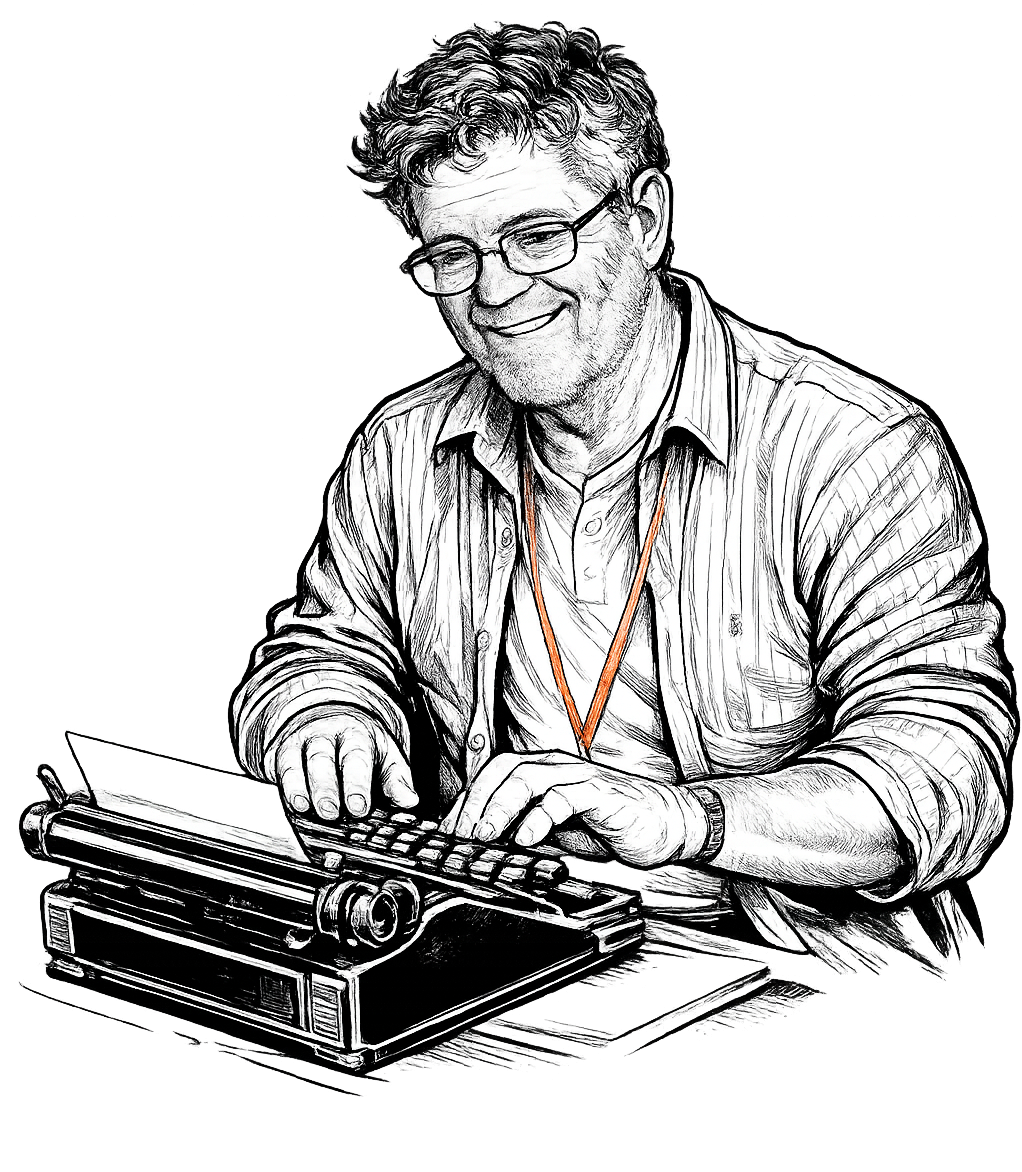
Tasmania’s literary history is a rich tapestry, woven from the island’s rugged landscapes, isolated communities and unique cultural heritage. The very first Tasmanian authors were often chroniclers and diarists, recording life in a new and often harsh colony. Figures like Henry Savery, widely considered Tasmania’s first novelist, captured the convict experience in Quintus Servinton (1830), giving readers a glimpse of early colonial society through fiction.
As the 19th century progressed, local newspapers, journals, and short stories became important outlets for Tasmanian writers. Authors such as Marcus Clarke, though not born in Tasmania, spent time on the island and drew upon its landscapes in his fiction. Poetry and local histories flourished, often celebrating the island’s natural beauty and marking its communities with a distinct voice.
The 20th century saw Tasmanian literature grow in scope and style. Writers like Colin Thiele, though originally from the mainland, embraced Tasmanian settings for some of his works, while local voices such as E. Morris Miller and Lawrence D. Trembath chronicled both the quirky and the challenging sides of island life. Fiction became more experimental, blending humour, realism, and social commentary, reflecting Tasmania’s evolving identity.
Today, Tasmania boasts a vibrant literary scene with authors exploring crime, humour, fantasy, and historical fiction. Writers like Richard Flanagan and Heather Rose have gained national and international recognition, showcasing Tasmania’s ability to produce stories that resonate far beyond its shores. Small-town settings, eccentric characters, and the island’s natural landscapes remain recurring threads that tie contemporary Tasmanian fiction back to its origins.
In this lineage of writers, I humbly place myself below all these voices. My own work, including the Windy Mountain series and other novels, draws inspiration from Tasmania’s landscapes, history and characters. I am very aware that I stand on the shoulders of giants — writers who first gave Tasmania a literary voice — and I hope that, in my own way, my stories carry forward that tradition of curiosity, humour and a deep sense of place.
 JOHN MARTIN'S TALES
Leave a comment