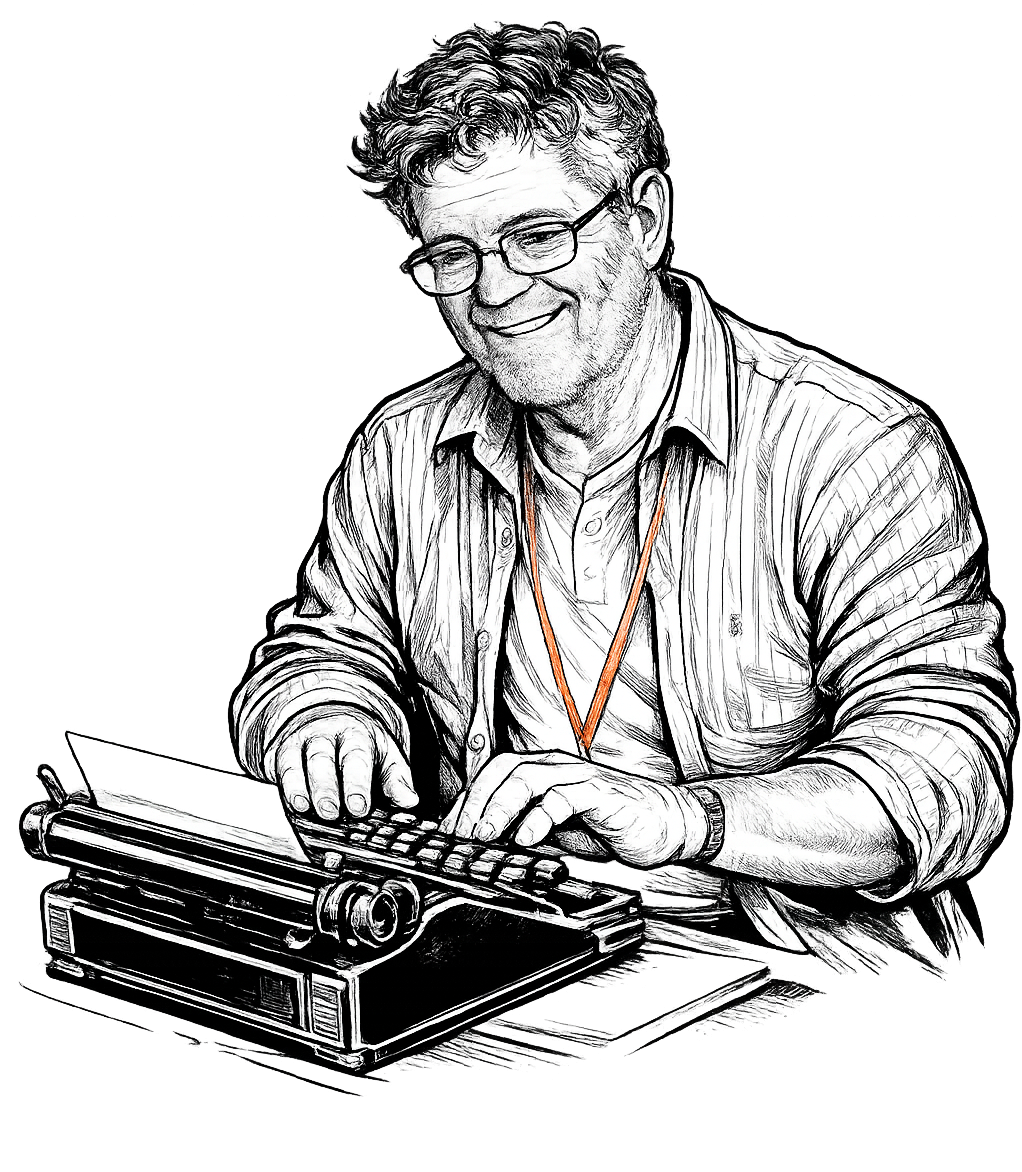
I never met Mark “Chopper” Read, but I have sat on his barstool.
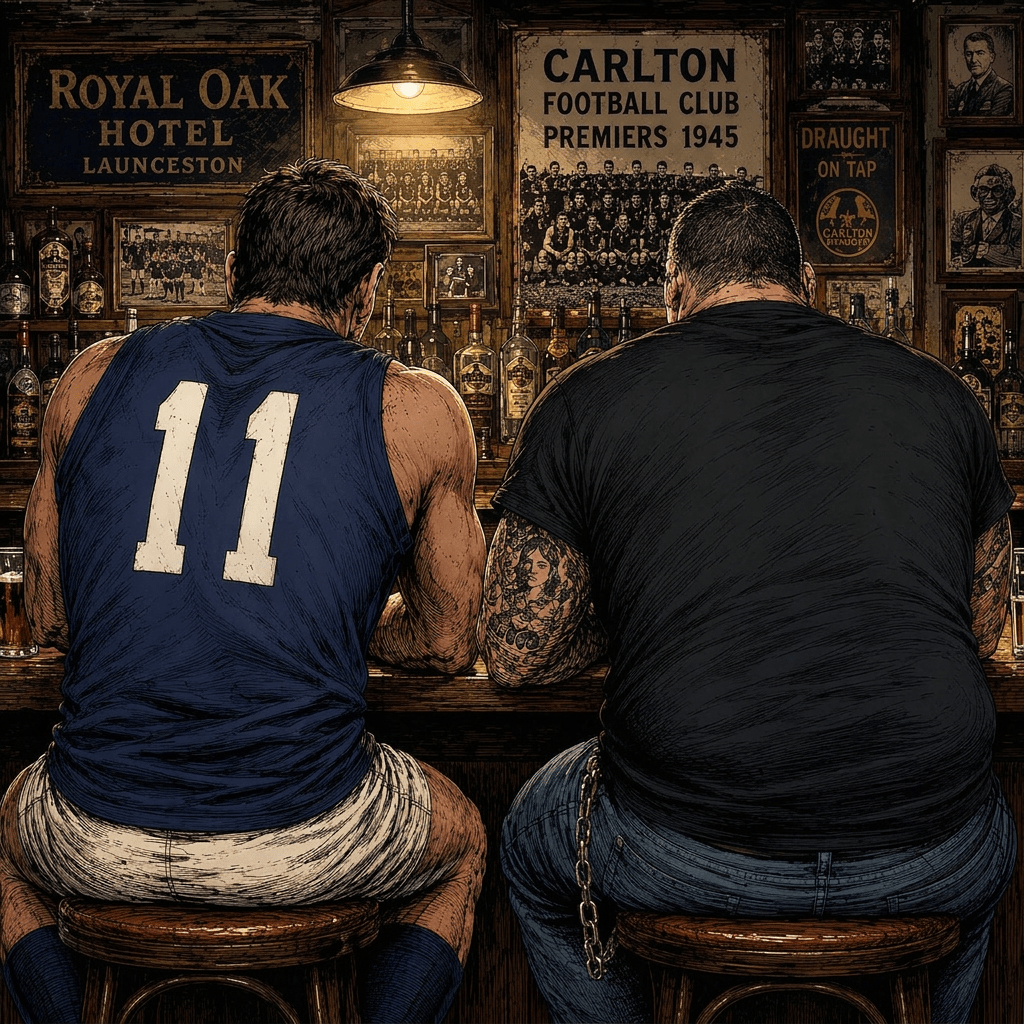
It was at the Royal Oak in Launceston in the late 1970s when I was 18 or 19.
I was pleased because I had found myself a prime position at the bar.
Then someone burst my bubble.
“You can’t sit there, mate — that’s Chopper’s stool.”
In my youthful ignorance, I asked: “Who’s Chopper?”
“He’s the big bloke with no ears. He’ll be back any second.”
My survival instincts overruled my beer-addled brain and never have I surrendered a prime-position barstool so quickly.
In the same year I didn’t meet Chopper, I did meet legendary football hard man Bob Chitty in a very similar setting — an hour or so drive away at Lords Hotel in Scottsdale.
This time I was careful not to take his stool. I took the empty one next to him.
And this time I certainly did know who he was.
Chitty was Carlton’s legendary No. 11, captain of the infamous “Bloodbath” VFL grand final side of 1945 – a football warrior from an era when players wore bruises like medals and thought broken bones were merely an inconvenience.
He had also played Ned Kelly in the 1947 film The Glenrowan Affair and one of his rivals, Richmond legend Jack Dyer, quipped it was the only time he ever needed armour.
Chitty gave me plenty of his time and answered all my questions with patience and good humour. He was nothing like the fearsome figure I had imagined from old football stories.
As far as I know, Bob Chitty (1916–1985) and Chopper Read
(1954-2013) never met. Why would they? They inhabited very different worlds.
But I suspect they would have understood each other.
Both were larger-than-life Australians who drifted into mythology. Both became part of the country’s strange fascination with rebellious hard cases. And both, in different ways, became linked to film.
Chitty literally played Ned Kelly.
The story of Chopper’s outlaw life was beamed to millions of film-goers decades later when Eric Bana immortalised him in Chopper.
That Kelly connection is interesting because it is hard to know exactly what Chopper thought about Australia’s most famous bushranger.
At various times he said Ned Kelly should be regarded as a national hero. At others he dismissed him as overrated.
Yet among Chopper’s paintings was a series depicting Kelly with tattoos and machine guns — the old bushranger reimagined as a modern outlaw.
Crime writer Andrew Rule once described Chopper as looking like “a cross between a bikie, a bouncer, a bandit, a bushie and a bear.”
That may be the best description ever written about him.
And perhaps that is why both men remain lodged in my memory all these years later.
One I met.
One I made a point of avoiding.
But both belonged to an Australia where legends still wandered into pubs and pulled up a barstool.
FOOT, ER, EARNOTE: It’s an exaggeration Chopper had no ears. They were just mutilated. The famous story is that in Pentridge Prison in 1978 another inmate cut them for him so he could be transferred out of the violent H Division unit. Different versions exist, but the accepted account is that large portions of both ears were sliced off, leaving them heavily deformed and flattened rather than absent altogether.


Leave a comment