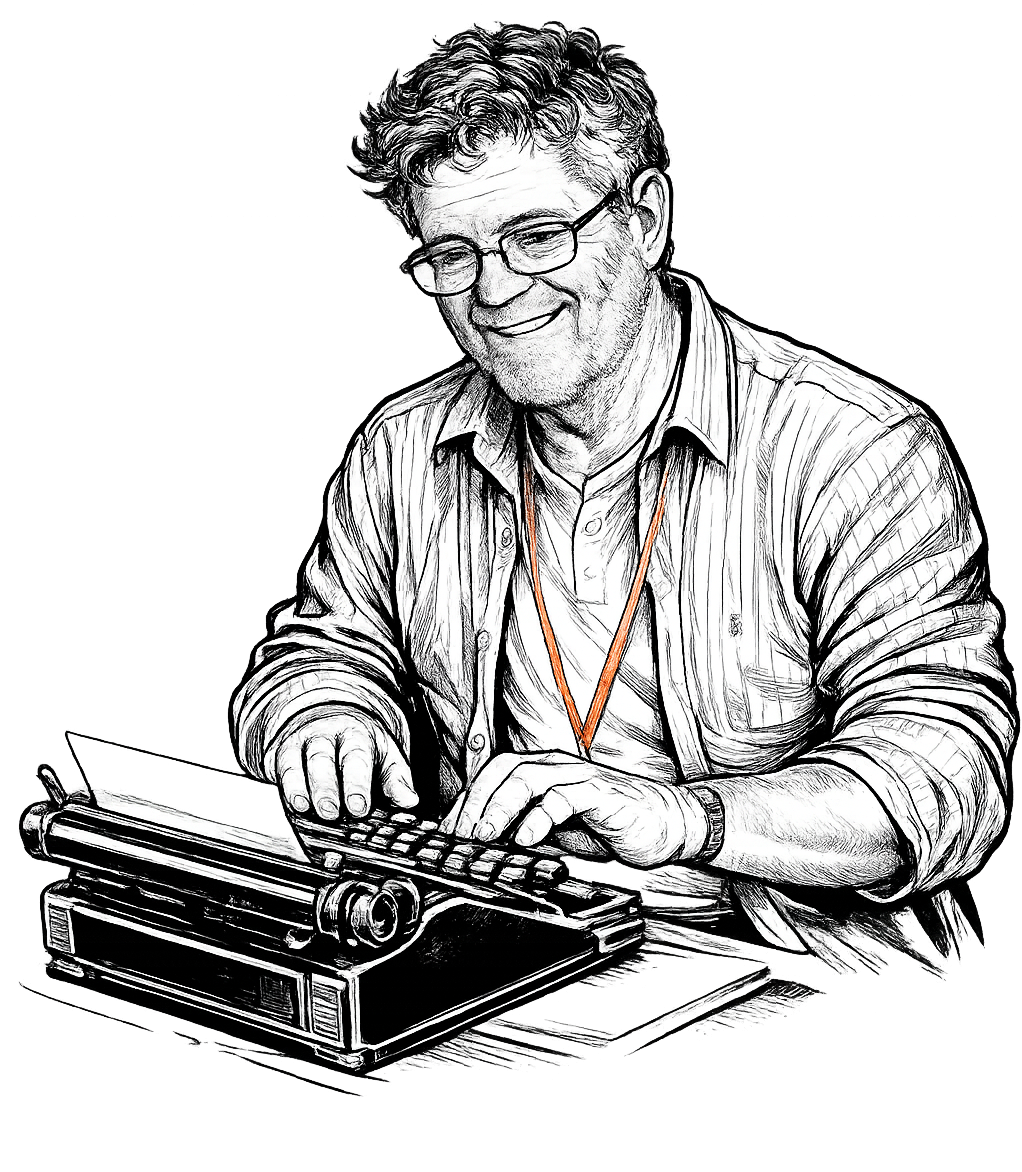
Journalism is a fine apprenticeship for fiction, provided you’re willing to unlearn large parts of it later.
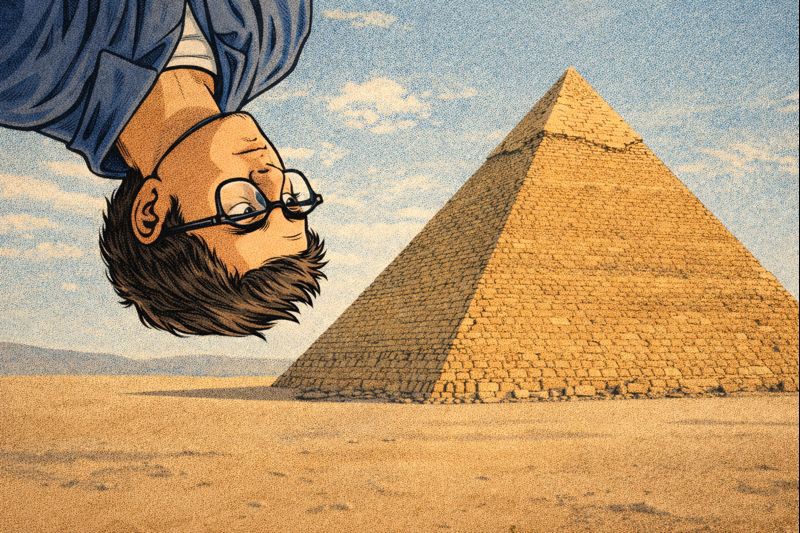
Top of the hit list is the inverted pyramid.
I don’t remember being formally taught this template for writing newspaper stories.
I suspect it was simply knocked into me. My first news editor was a crusty old bloke named Mr Connell. He did have a first name — Bert — but no cadet journalist who cherished their welfare used it.
The theory behind the inverted pyramid was simple and very practical. It harked back to the days of hot-metal presses, when copy was set in lead and laid out on the stone. Sub editors often couldn’t read the inside-out text properly, so if something had to be cut in a hurry, they lopped off the last paragraphs — partly because they were least important and partly because they had no idea what they said anyway.
That meant you learned, very quickly, to put the whole story in the first paragraph: the who, what, when, where and how. Miss any of that and you’d be answering to Mr Connell. Go beyond 21 words and you’d also be answering to Mr Connell, though with more feeling.
I started out as the copy boy, delivering things, picking up things, emptying the telex machine and delivering wire copy to the right desk, fetching bromides from the morgue, compiling the shipping and tides, and waiting for someone to leave so I could move up. No one did, not for eight months. Eventually they relented and gave me a few small stories, which is when the inverted pyramid really began to leave its mark.
Journalism taught me attention — how people talk when they’re stalling, avoiding, or telling the truth sideways. It taught me economy, because words had to earn their keep. And it taught me to finish. A story went in whether it felt perfect or not. That habit has saved me more than once.
The inverted pyramid is exactly wrong for fiction. Novels don’t explain themselves up front; they tease things out. They circle. They withhold. The biggest thing I had to unlearn was the urge to tell the reader everything immediately.
Journalism trained me to conclude early. Fiction only started working when I learned to delay, doubt and let the story misbehave.
The skills transferred. The structure didn’t. And Mr Connell, I suspect, would have approved of that distinction — after he’d cut the last three paragraphs.
 JOHN MARTIN'S TALES
Leave a comment